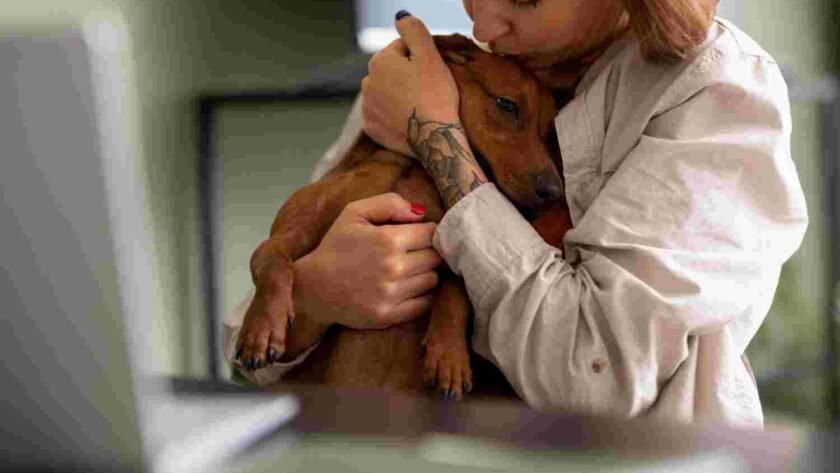
It’s easy to assume that if petting a dog makes you feel calmer, animal-assisted therapy must be a proven treatment for trauma. The calm is real. The “proven” part is where things get more complicated.
Animal-assisted interventions, where dogs, horses or other animals are deliberately included in therapy, have become increasingly popular in trauma care. For anyone weighing them up, it helps to understand what the studies actually show, what they don’t, and where these approaches fit next to established treatment.
What animal-assisted intervention means
Animal-assisted intervention (AAI) is a broad term. It can mean a therapy dog sitting in on counseling sessions, a structured program of grooming and leading horses, or time with farm animals as part of a wider treatment plan. The idea is that animals can make people feel safer, lower their guard, and give them a calming focus outside themselves, which can make the harder work of therapy easier to approach.
For people living with trauma, those qualities are appealing. Trauma often leaves people feeling unsafe, on edge and wary of other people. An animal that responds without judgment can feel like a gentler starting point.
What a systematic review found
One of the most widely cited reviews of this area is a 2015 systematic review in Frontiers in Psychology by Marguerite O’Haire and colleagues, titled “Animal-Assisted Intervention for trauma: a systematic literature review.”
From 453 initial citations, the researchers identified 10 studies. Dogs were used in five, horses in three, and the remaining two combined dogs, horses and farm animals. Seven studies involved children and adolescents, mostly survivors of family violence or child abuse, and three involved adults, including two with veterans.
The findings were encouraging on the surface:
- Depression was reduced in six of the ten studies
- PTSD symptoms were reduced in five
- Anxiety was reduced in four
But the authors were careful to put those results in context. Effect sizes ranged from small to large, and the reported benefits were mostly short term and based on how participants felt. When compared with control conditions, the results were less consistent. One study of 153 participants found no significant difference in PTSD symptoms compared with group therapy without an animal.
Why the evidence is still considered weak
The review highlighted several limitations that are worth knowing about:
Small, simple studies. Most used basic before-and-after designs, and only five included a comparison group.
Self-reported results. Assessments relied mainly on participants’ own reports, with no blinded outcome measures.
No standard approach. None of the studies used a published, manualized protocol, so it’s hard to know exactly what was delivered or to repeat it.
Limited follow-up. Only one study reported follow-up data, so we know little about whether benefits last.
Possible publication bias. Unpublished theses showed smaller effects than published papers, suggesting positive results may be overrepresented.
The authors’ conclusion was measured. They wrote that animal-assisted intervention “shows promise as a complementary technique,” but should not be used as a first-line primary treatment for trauma.
The review also noted something that’s easy to overlook: none of the studies reported on the welfare of the animals themselves. Responsible programs think about the animals’ wellbeing as well as the clients’, and it’s reasonable to ask how a provider looks after its horses or dogs.
What “complementary” means in practice
Complementary means alongside, not instead of. Established trauma treatments, such as trauma-focused talking therapies, have far stronger research behind them. An animal-assisted program might help someone feel calmer, more motivated or more willing to engage with therapy, and that has real value. But it shouldn’t replace the core work.
If you’re exploring this option, a few questions help:
Is it part of a wider plan? The animal component should sit alongside evidence-based therapy, not stand alone.
Who delivers it? Look for a qualified mental health professional working with trained animal handlers, not just an activity session.
What are the goals? A clear purpose, such as building trust or reducing anxiety during sessions, is a good sign.
Does the provider actually offer it? Some websites describe animal-assisted approaches in general terms without running a program themselves, so it’s worth asking directly.
Horses in particular
Horse-based programs have drawn particular interest for trauma. Sessions are often ground-based, with grooming, leading and simply spending time near the animal rather than riding. For a plain-language overview of what that can involve, this explainer on horse therapy for trauma describes typical sessions. Read any provider’s material alongside the research above, and with the same healthy caution.
Getting help for trauma
If you’re struggling with the effects of trauma, a primary care provider or licensed mental health professional is a good place to start. They can talk through proven options and whether additional approaches might help you.
If trauma has become tangled up with drinking or drug use, it’s worth mentioning both, as many services treat them together. SAMHSA’s National Helpline at 1-800-662-4357 offers free, confidential referrals in the US, 24 hours a day. If you’re in crisis or thinking about suicide, call or text 988.
The honest picture
Dogs and horses can make people feel safer, and for someone living with trauma, that matters. The research so far supports them as a promising addition to care, not a cure. Knowing the difference helps you choose with your eyes open.
Sources
- O’Haire, M. E., Guérin, N. A. and Kirkham, A. C. (2015). Animal-Assisted Intervention for trauma: a systematic literature review. Frontiers in Psychology, 6. https://doi.org/10.3389/fpsyg.2015.01121
- SAMHSA National Helpline (number as previously verified on the SAMHSA helpline page). https://www.samhsa.gov/find-help/helplines/national-helpline
- Healing Rock Recovery. What is equine therapy trauma and how does it help? (client page; read October 2026). https://www.healingrockrecovery.com/equine-therapy-trauma/